

LONGi Switches to Copper from Silver in Solar Cell Production at 21 GW Plant
Unlike silver, copper is more abundantly available and cheaper
July 13, 2026

Follow Mercom India on WhatsApp for exclusive updates on clean energy news and insights
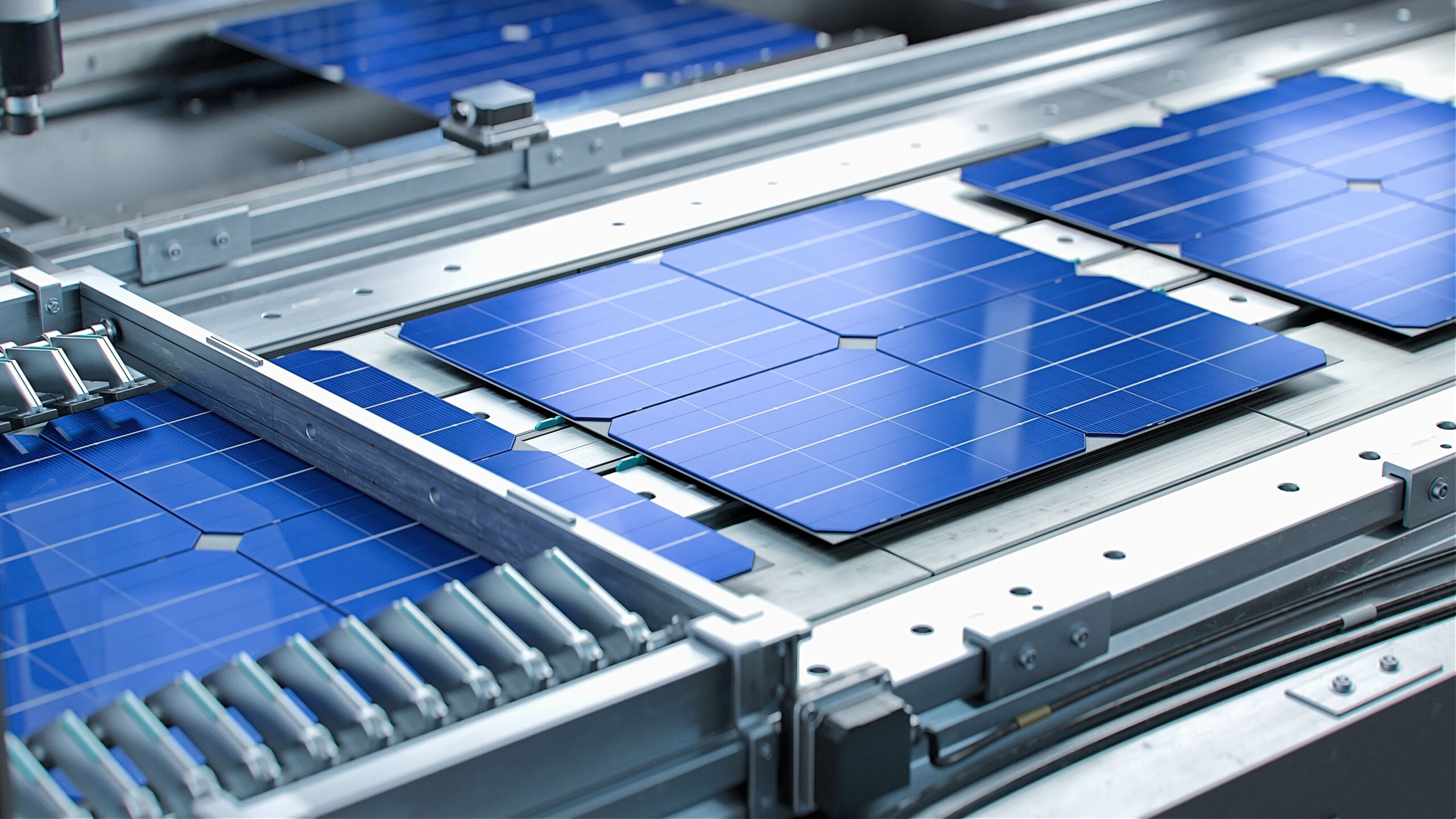
LONGi Green Energy has started commercial production at a 21 GW back-contact solar cell facility in China using copper-based metallization technology, replacing the use of silver in the manufacturing process.
The switch to copper has been spurred by the surging prices of silver globally over the last year.
According to the Chinese solar manufacturer, its facility in Shaanxi is now operational and marks a key milestone in the large-scale implementation of its next-generation cell technology.
The company’s alloy contact matrix (ACM) technology replaces conventional silver paste with a copper-based material to form electrical contacts in solar cells. LONGi said the ACM process would help lower metallization costs, strengthen the competitiveness of its back-contact technology, and support wider adoption of back-contact modules.
LONGi said the ACM cell has achieved a certified efficiency of 27.6% by the Hamelin Institute for Solar Energy, while the ACM module has attained a certified output of 672 watts by TÜV Rheinland. Production-introduction data show that ACM technology delivers a 0.2–0.3 percentage point improvement in mass-production conversion efficiency and a 3–5 watt increase in module power.
Silver, known for its high electrical conductivity, is widely used in the manufacture of solar cells but manufacturers worldwide have been making efforts to reduce consumption of the precious metal given its price volatility. Prices had witnessed a sustained six-month rally until February this year driven by demand, safe-haven buying, and inventory dips in China.
The metal had traded above $115 in the last week of January before falling to around $84 an ounce. Starting around $35 an ounce in mid-2025, prices rose to record highs in the third and fourth quarters of 2025.
Copper, which also has wide applications in the renewable energy industry, is cheaper than silver and is more abundant than silver.
The solar industry has been making research efforts to reduce the consumption of silver in the cell manufacturing process. Last year, scientists at Germany’s Fraunhofer Institute for Solar Energy Systems ISE claimed to have produced silicon heterojunction solar cells with a total silver consumption of 1.4 mg per watt of peak power, which is one-tenth of the industrial production standard. The scientists said they considerably reduced the silver content in the metallization paste on the solar cells’ front side and fully replaced silver with copper paste on the rear side.


B.S. Nagaraj
More articles from B.S. Nagaraj.