

Trontek Targets 12 GWh Battery Storage Manufacturing Capacity by 2028
The company has launched storage systems for residential, C&I, and utility-scale applications
October 12, 2026

Follow Mercom India on WhatsApp for exclusive updates on clean energy news and insights
Battery and energy technology company Trontek Electronics has announced plans to expand into battery energy storage systems (BESS) and is targeting 12 GWh of annual manufacturing capacity by 2028.
The company has introduced a domestically manufactured energy storage portfolio for residential, commercial and industrial (C&I), and utility-scale applications.
The portfolio includes systems with capacities ranging from 215 kWh to 5 MWh, which Trontek claims are designed to address energy storage requirements across different applications.
For C&I applications, Trontek has introduced 215 kWh systems designed for hotels, offices, and small and medium-sized manufacturing enterprises. These systems are intended to support demand management, energy optimization, and power reliability.
The company has also introduced 418 kWh systems for larger industrial facilities, including factories, warehouses, hospitals, and industrial campuses.
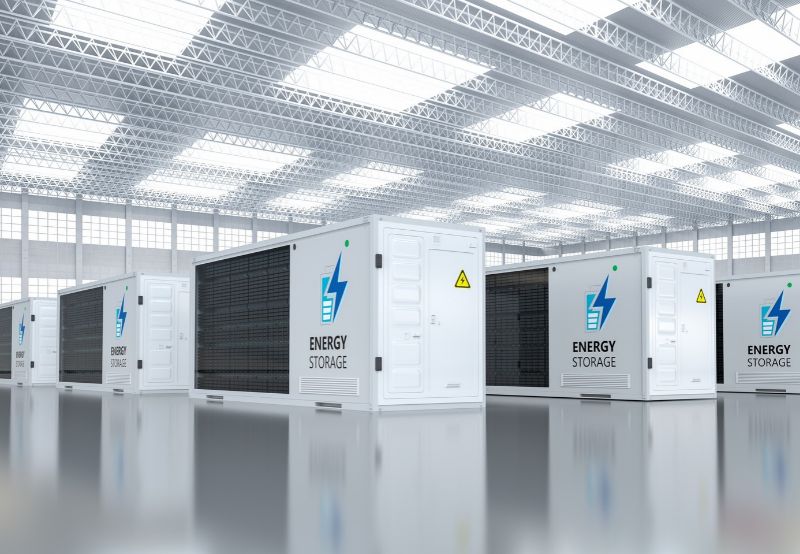
For utility-scale applications, Trontek is offering 5 MWh containerized battery storage systems designed for industrial parks, utilities, and large solar-plus-storage projects.
The portfolio also includes modular residential and distributed energy storage solutions designed to support renewable energy utilization, energy management, and power resilience.
The company said it plans to support its expansion through local engineering and manufacturing capabilities covering battery systems, testing, system integration, technology development, and service.
India added 8.2 GWh of battery energy storage capacity in the first half (1H) of 2026, nearly 84 times the 98.4 MWh installed during the same period last year, according to Mercom India Research’s newly released Q2 and 1H 2026 India’s Energy Storage Landscape Report.
Cumulative installed battery energy storage capacity reached 9.3 GWh at the end of June 2026, indicating a sharp acceleration in deployments as utilities increasingly turn to storage for grid balancing, peak demand management, and renewable energy integration.
Despite the rapid expansion of the sector, India’s BESS market faces challenges related to domestic manufacturing, supply chains, financing, and skilled manpower. While companies are investing in new manufacturing capacity, the long term viability of energy storage system projects depends on factors beyond upfront costs, including battery degradation, replacement expenses, and operational performance. Regulatory clarity and sustained policy support will be critical to the sector’s growth.


Parth Shukla
More articles from Parth Shukla.